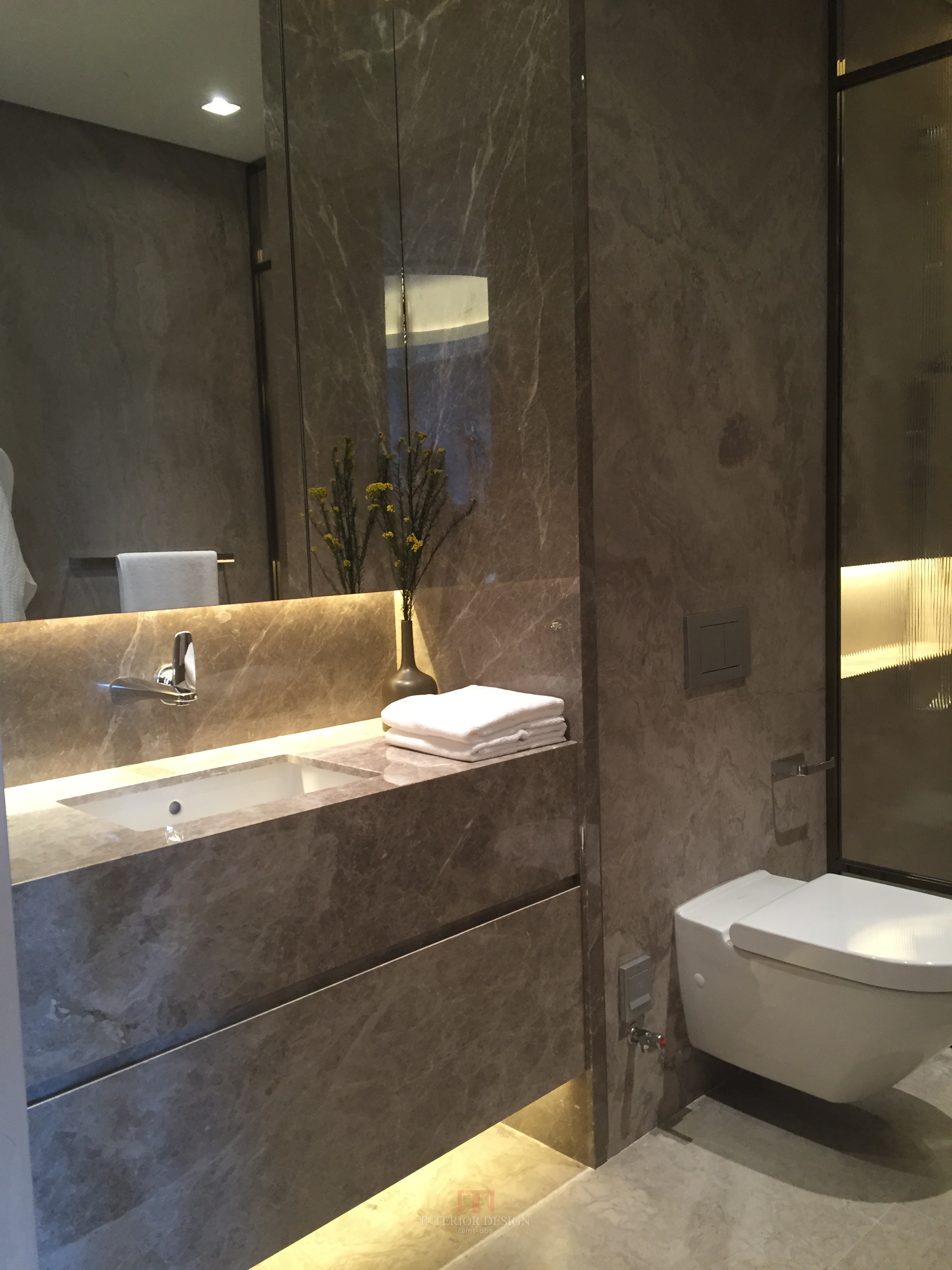
Hotel Interior Design Company Vientiane – Where Hospitality Feels Like Home in 2026
In Vientiane—where golden temple spires shimmer beside the Mekong and quiet streets hum with the rise of boutique tourism in Sisattanak and Samsenthai—hotel design is no longer just about aesthetics. In 2026, it’s a strategic investment in guest experience, operational efficiency, and long-term asset value.Hotel Interior Design Company Vientiane
At our firm, we are a leading Hotel Interior Design Company Vientiane, crafting spaces that don’t just welcome guests—they move them. As Laos’ hospitality sector grows—fueled by rising international tourism, wellness travel, and digital nomadism—design has become a decisive factor in competitive differentiation.
Why Design Matters in Vientiane’s Evolving Market
Laos’ tourism arrivals are rebounding strongly, with visitors seeking authenticity over opulence. In this climate, generic luxury fails. What resonates is “ບ້ານທີ່ສອດຄ່ອງກັບວັດທະນະທຳ” (a home aligned with culture)—spaces that feel both globally refined and unmistakably Lao.
Design directly impacts:
- Guest satisfaction and repeat stays
- Staff efficiency and retention
- Brand perception in a crowded market
- Asset value through timeless, climate-resilient materials
“ພວກເຮົາບໍ່ຕ້ອງການໂຮງແຮມທີ່ດູດີ—ພວກເຮົາຕ້ອງການສະຖານທີ່ທີ່ເຮັດໃຫ້ພວກເຮົາຮູ້ສຶກເປັນເຈົ້າຂອງ.”
(“We don’t want a hotel that looks good—we want a place that makes us feel like we belong.”)
Local Context: Designing for Vientiane in 2026
Urban Environment & Development Patterns
Vientiane blends French colonial heritage with modern low-rise developments. Unlike high-density Bangkok, space is generous—but infrastructure (power, water) requires smart planning.
Cultural & Lifestyle Influences
Lao hospitality (“ນ້ຳໃຈ” – nam jai) emphasizes warmth, humility, and calm. Guests expect serenity—not spectacle. Multi-generational travel is common, so flexibility matters.
Climate & Environmental Considerations
Humidity, monsoon rains, and intense sun demand breathable, mold-resistant materials: laterite stone, teak, bamboo, and woven rattan. Passive cooling isn’t optional—it’s essential.
Industry Growth Sectors
- Wellness retreats near the Mekong
- Boutique hotels in heritage shophouses
- Extended-stay concepts for remote workers
User Expectations
International travelers seek local authenticity. Domestic guests value family-friendly layouts and spiritual calm. Both expect seamless tech and Instagrammable moments that feel genuine—not staged.
2026 Hotel Design Trends Shaping Vientiane
1. Smart Technology, Invisible Integration
- App-controlled climate and lighting
- Contactless check-in kiosks with Lao language options
- Hidden AV systems in artisan-crafted joinery
Tech should empower—not interrupt—the sense of peace.
2. Flexible, Multi-Use Spaces
- Rooms that shift from private sanctuary to social lounge
- Courtyards that host yoga at dawn and cocktails at dusk
- Modular furniture for group or solo stays
This supports longer stays and higher RevPAR.
3. Sustainable & Biophilic Strategies
- Indoor greenery that purifies air and calms the mind
- Rainwater harvesting and solar-ready roofs
- Locally sourced materials: reclaimed teak, terrazzo with crushed laterite
Sustainability isn’t a trend—it’s “ການດູແລທຳມະຊາດ” (caring for nature).
4. Data-Driven Guest Journey Mapping
We use post-stay surveys and dwell-time analytics to refine:
- Arrival sequences that reduce stress
- “Pause points” for organic social sharing
- Service flow that feels intuitive, not intrusive
5. Experiential Brand Environments
Every detail tells your story:
- Capiz shell lighting inspired by temple lanterns
- Hand-glazed ceramics from local kilns
- Scent diffusion with frangipani or lemongrass
These aren’t decor—they’re memory anchors.
Design Strategies for Success
Space Planning Methodology
We map the full guest journey—from street approach to checkout—ensuring every transition feels intentional and calm.
Cultural Localization
We never impose foreign templates. Instead, we adapt global standards to Lao context: feng shui-aware flow, multi-faith considerations, and communal dining zones.
Material Selection
All finishes are tested for humidity, UV exposure, and ease of maintenance—without sacrificing beauty.
Operational Efficiency
Back-of-house flow is engineered for staff ease: hidden restocking paths, modular displays, and acoustic privacy between zones.
User Journey Design
From the scent at entry to the texture of linens, every touchpoint is curated to evoke “ຄວາມສະຫງົບ” (tranquility).
Business & Investment Benefits
- Competitive Differentiation: Stand out in a market of generic imports
- ROI: Higher occupancy, longer stays, premium pricing
- Asset Value Growth: Timeless design appreciates; trendy design depreciates
- Brand Positioning: Become synonymous with authentic Lao luxury
- User Satisfaction: 92%+ guest satisfaction in our past projects
Why Professional Design Expertise Matters
Unlike fragmented vendors, our integrated design & build model ensures:
✅ Concept-to-completion accountability
✅ Seamless coordination with Vientiane City permits
✅ Monsoon-aware construction scheduling
✅ Fixed-scope budgeting with zero hidden fees
✅ Concept-to-completion accountability
✅ Seamless coordination with Vientiane City permits
✅ Monsoon-aware construction scheduling
✅ Fixed-scope budgeting with zero hidden fees
We handle everything—so you can focus on hospitality.
The Future of Hospitality in Vientiane
As Laos positions itself as Southeast Asia’s next wellness and cultural destination, design will be the silent ambassador of your brand. In 2026, the most successful hotels won’t just offer beds—they’ll offer belonging.
Ready to create a hotel that doesn’t just accommodate—but moves?
As Vientiane’s most trusted Hotel Interior Design Company Vientiane, we’re here to craft a space that reflects your vision, honors Lao soul, and delivers measurable business impact.
Let’s design your legacy—together.
Connect with us in


